
Noteworthy Neon: Flashy Signs from the Past

Neon (symbol Ne and atomic number 10) is a chemical element and the second noble gas in the periodic table. Neon is a colorless, odorless, inert, monatomic gas under standard conditions, approximately two-thirds the density of air. Neon, known for its unique bright red emission spectrum, was discovered in 1898 by the British chemists, Sir William Ramsay and Morris Travers, in London. Some of neon’s most common applications include its use in low-voltage neon glow lamps, high-voltage discharge tubes, and neon advertising signs, where it emits a distinct reddish-orange glow.
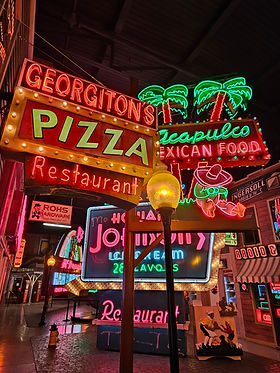
You might ask why I am discussing neon. It is because I just visited the spectacular American Sign Museum in Cincinnati. The signs and displays are nostalgic, gorgeous and a bit otherworldly, due to their out-of-place context.

The Museum’s collection is composed of neon signs of all sizes and eras, non-neon metal and wooden signs and other advertising memorabilia. The spaces brought back so many wonderful memories of childhood. Visiting the HoJo’s on Clayton Road to get delicious ice cream. Driving cross-country and staying at the Holiday Inns along the way. Fried chicken at Big Boy’s. And, of course, Happy Meals at McDonald’s (especially, the surprise toy inside the box). Can you believe hamburger's were fifteen cents back then?

Although neon is eye-catching and memorable to look at, it is also an art form that is fondly remembered at this important Museum. I commend its staff for maintaining an engaging place for all ages to enjoy a taste of the past through creative advertising signage.




Comments